This uses webscraping and machine learning to automatically find past exams/practice materials and classify them by class, year and type.
As the webmaster and VP Communications for the Computer Science Student
Society I spent a lot of time updating the site this past
year. I designed a web app from the ground up to replace the old
“database”. The old database was merely a
bunch of Drupal pages with manually uploaded files. During my time as webmaster,
I received exactly zero of these.
Check out the new exam database!
Reddit Post
I built this using Go. All of the exams are found using a custom webscraper. It
can scrape all of the UBC CS websites, as well as Piazza and the files available
on the department undergrad servers.
I’ve been doing a bunch of work during my internship with Machine Learning
models so I figured I take a crack at applying them to some of my personal
projects. Just for fun I wanted to see what would happen if I tried to train a
model on the registration, check-in and submission data for nwHacks.
I decided to use Hector, a suite of
algorithms completely written in Go since that’s what most of the nwHacks
tooling is written in. Took a few hours to write a pipeline that would read in
the nwHacks registration data from Firebase and output it into a format that
Hector supports.
A couple of my friends got food poisoning eating at places in the village in the
past month or so. I decided to do some digging and find out which places have
the best food safety records. To my horror, pretty much every place has food
safety violations on campus.
With nwHacks 2017 coming up this weekend I figured it
would be a good time to do a writeup of the tech stack and all the different
components that are used to make the hackathon a success. This covers all of the
different components of the stack and what technologies were used.
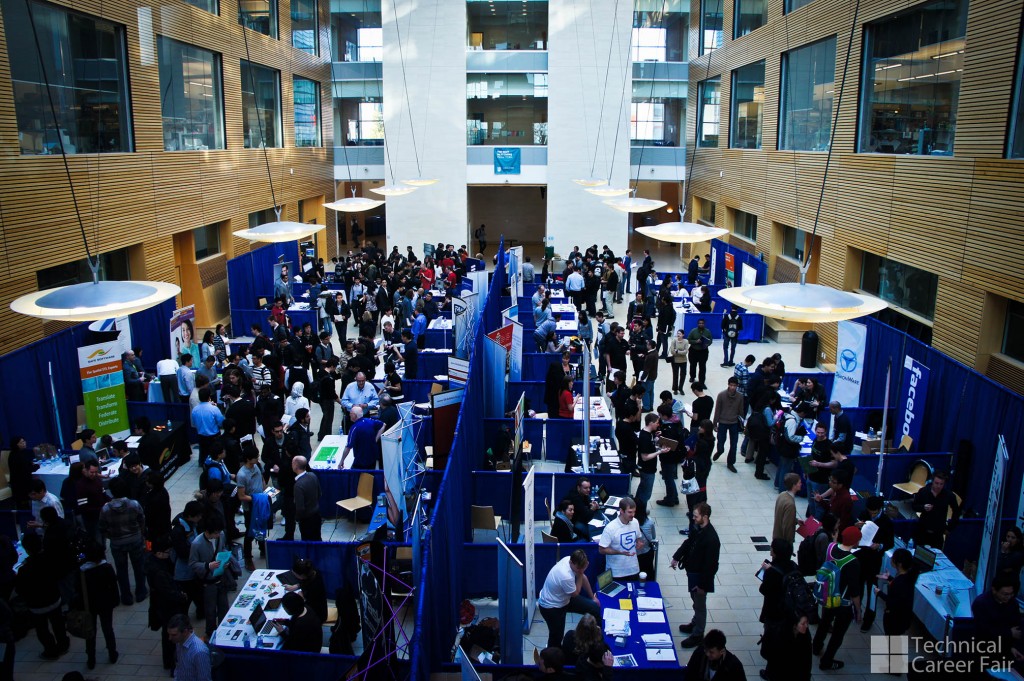
Yesterday, I decided to take a shot at rewriting the University of British
Columbia’s Technical Career Fair (UBC TCF) website in Hugo. The TCF
is one of the many events
that the UBC Computer Science Student Society puts on every
year and there’s been a day-of website for a number of years to allow companies to
find their booths and students to find out about the companies.
The old site was written in a combination of Django and Python and had a small
admin interface. Nothing about it really required to to be dynamic, other than
the interface for adding new companies. I figured it’d be way simpler to just
have every company be represented as a “post” in Hugo.